0%

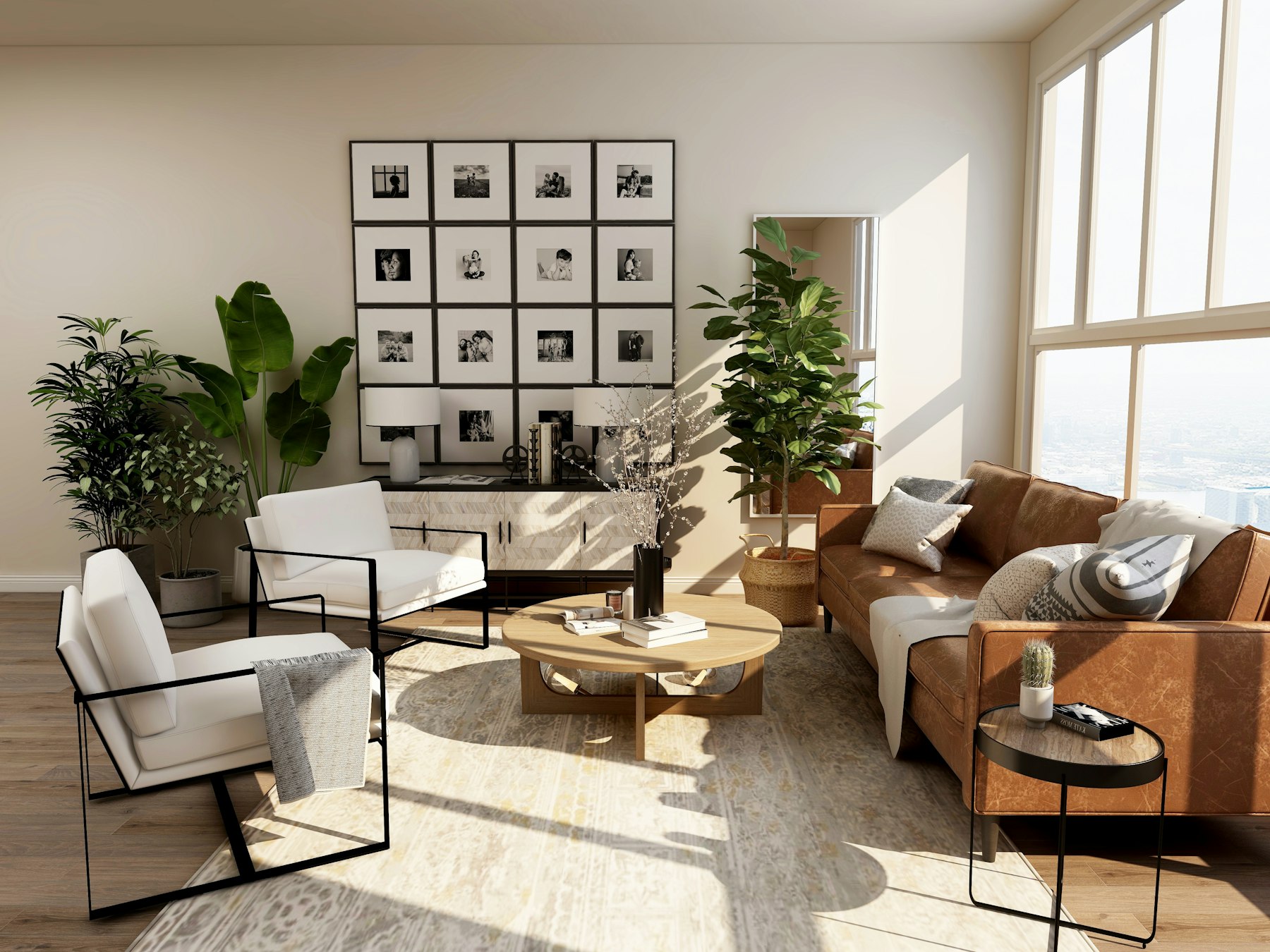
The WADI process is not a formula. Every project is different — different client, different site, different brief — and we resist the temptation to apply the same solution twice. What remains constant is our commitment to understanding before we design, and to designing before we build.
From the first meeting to the final installation, we typically work across three phases: Concept, Development, and Craft. Each phase has its own rhythm, its own tools, its own particular kind of attention. Together they produce work that could not have been arrived at any other way.
Every project begins with listening. We spend the first weeks in conversation — with the client, with the space, with the site's history. We visit at different times of day to understand the light. We ask questions that have nothing to do with design.
From this listening comes the concept: a set of guiding ideas that will govern every decision that follows. Not a mood board, not a palette — a philosophical position about what this space should be and who it should serve.
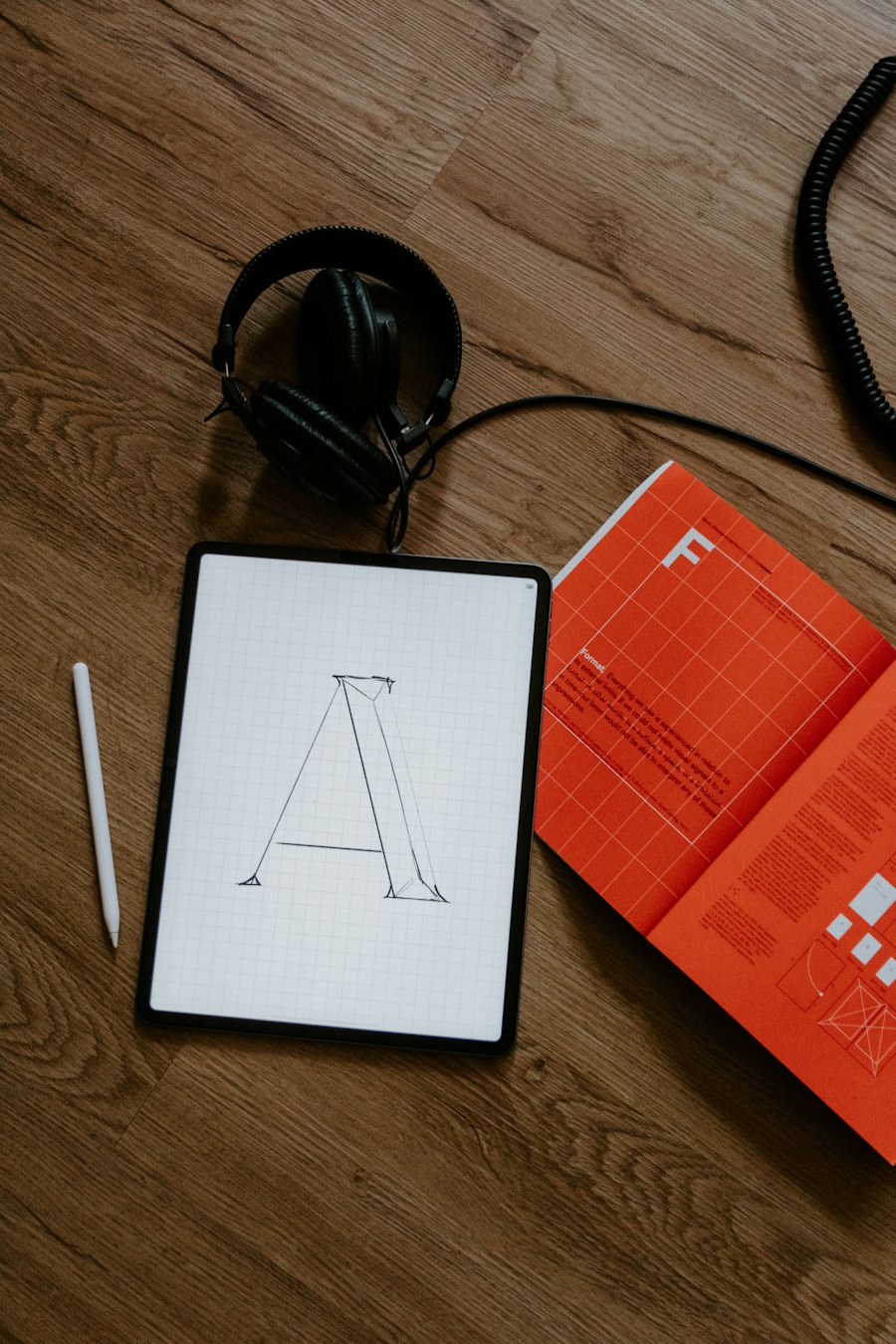
The concept is always expressed first in sketch form — hand-drawn, imprecise, alive. Research boards follow: images, references, material samples pinned to a wall. The studio fills with possibility before it begins to edit.
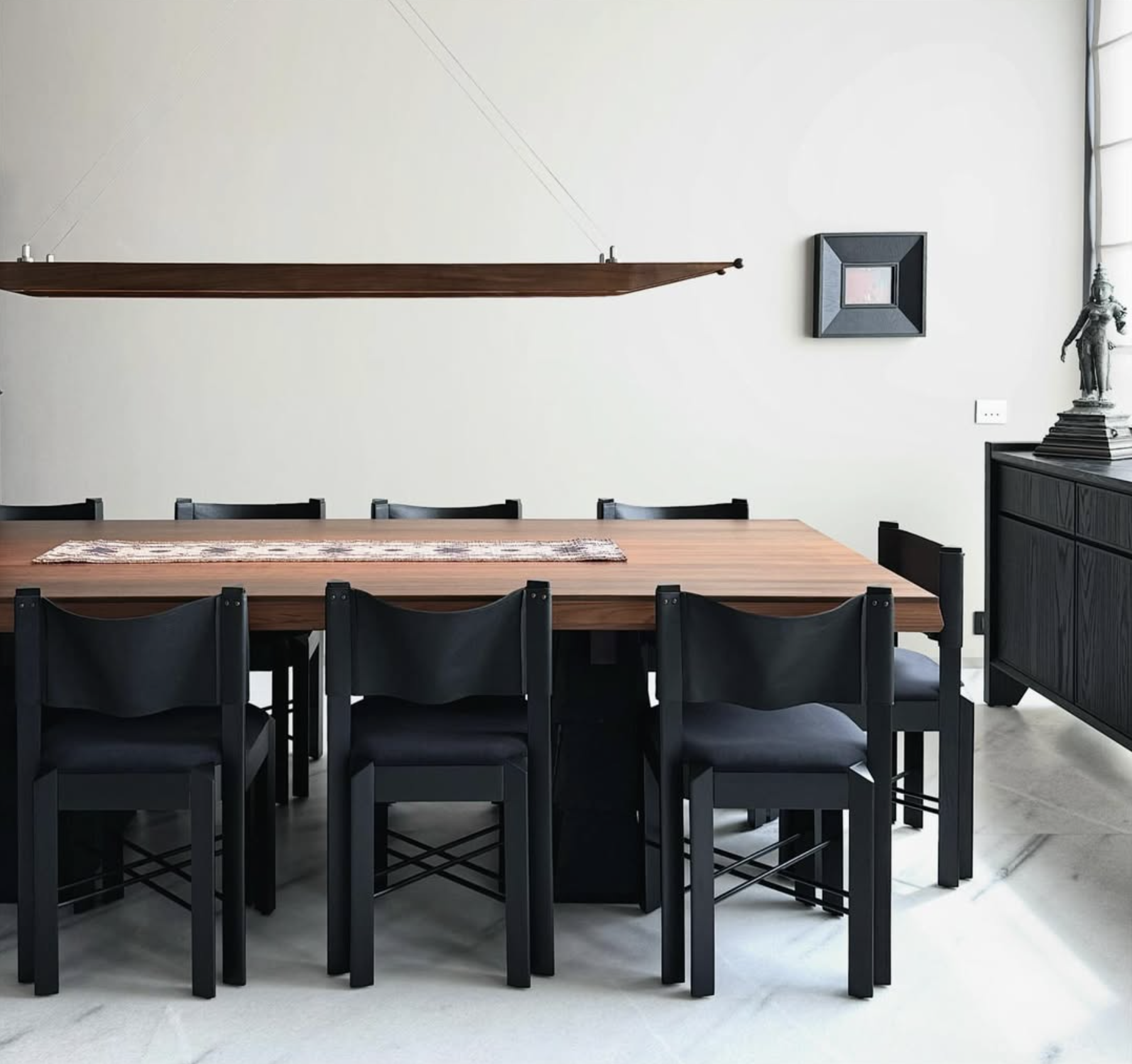
Once the concept is established, we move into the material world. This is the phase that takes the longest and surprises us most often. Materials have opinions. They respond differently under different conditions. A stone that looked warm in daylight becomes cold under artificial light. Brass that oxidised beautifully in one environment turns unpredictably in another.
We test everything. We build prototypes at full scale — not models, but actual pieces of furniture, actual sections of wall, actual light fittings in actual rooms. Only when we can live with something for a week do we know whether it is right.
During this phase the client sees the work evolve in real time. We believe in transparency of process. The messiness of development is part of what produces the clarity of the finished work.
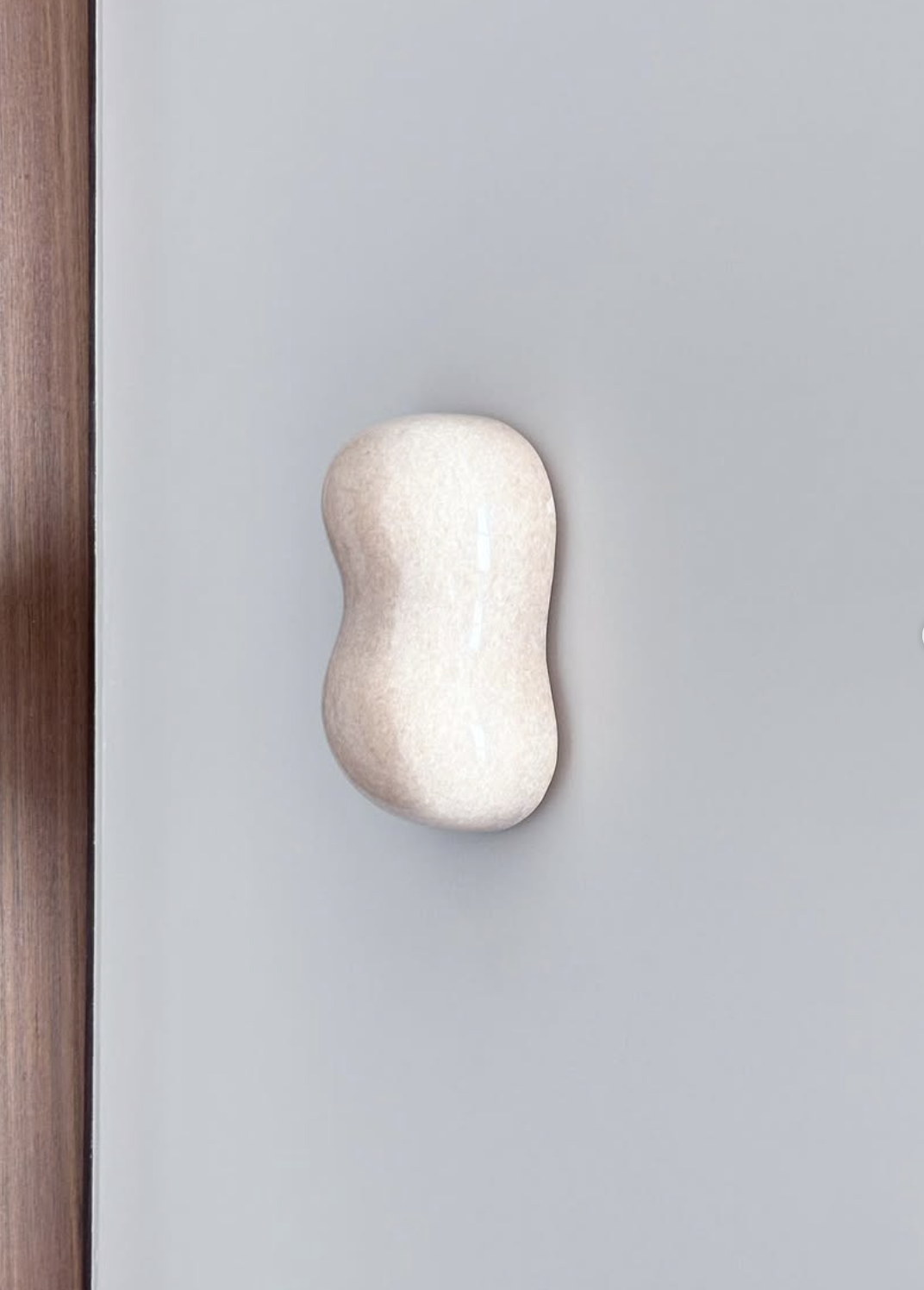

The final phase belongs to the craftspeople. Furniture is made by hand in our Riyadh atelier and by specialist makers across the region — woodworkers, metalworkers, weavers, ceramicists. Each brings decades of accumulated knowledge to the work.
We work alongside these artisans throughout production, not at arm's length. When a piece of brass behaves unexpectedly at the forge, we want to be there to see it and to decide whether the unexpected result is better than what we planned.
Installation is the final act of design. The placement of a single object in a room can shift the entire emotional register of the space. We install everything ourselves, adjusting as we go, until the space becomes what it was always going to be.